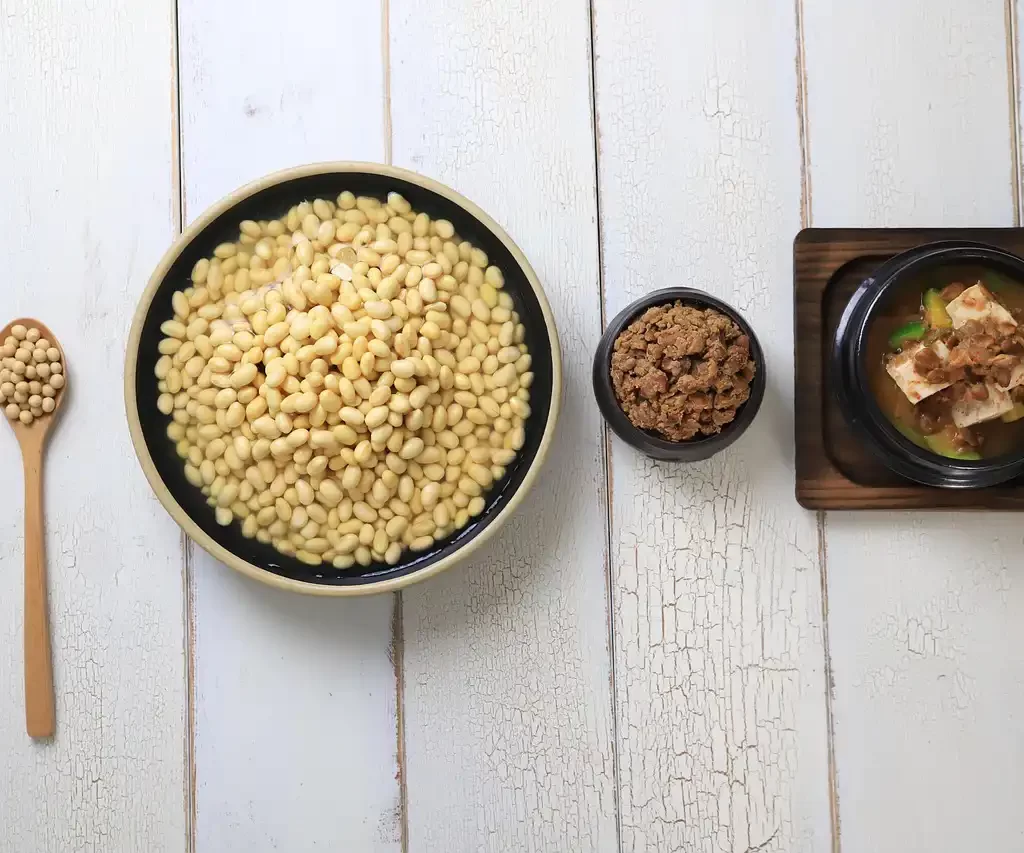
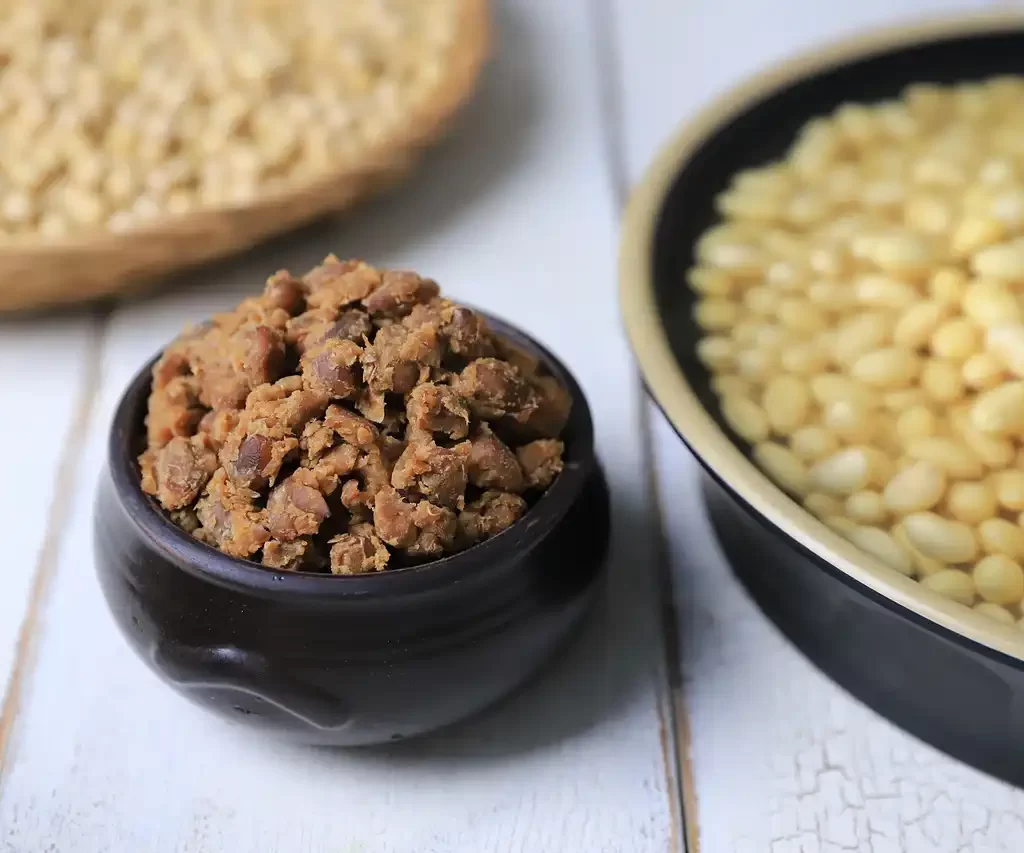
Miso is traditional Japanese seasoning, actually a thick paste made by fermenting soybeans with salt and Koji (Japan’s national fungus), sometimes even rice, barley or seaweed.
It is high in protein and minerals, it played an important nutritional role in feudal Japan and stayed adored until the modern times where it can be found in a variety of dishes. It’s a seasoning powerhouse, no doubt about that. Sauces, marinades, soups, sweets, salads, different sorts of sushi dishes… Miso is without a question our hero of the day with endless possibilities for creating delicious dishes.
Origins of Miso
This miso predecessor originated in China during the third century BC. Hishio(醤) and other fermented soy-based foods were probably introduced to Japan at the same time as Buddhism in the sixth century AD. Other theories claim Miso likely originated over 1300 years ago, derived from a Chinese food called chiang originally made out of seafood and meat. Although Miso of today is plant based, some of the facts from these theories overlap so there must me some truth in them.
What does it taste like?
Miso can taste from sweet, light and mild to earthy and nutty to rich, bold and assertive, says the Good Housekeeping magazine. The advice is to use color as a tool to “understand” intensity of flavor – the darker the miso, generally the bolder the flavor. Despite the varieties out there, one can always expect characteristically savory or meaty flavor, umami-centric flavor from all misos.
Types of Miso
More than 80% of Japan’s miso production is rice miso, which includes the following misos according to Good Housekeeping:
- White miso is made with rice or barley koji, has a lighter color and offers a mellow, sweet flavor due to its shorter fermentation period.
- Red Miso has a deeper color and a saltier, more intense flavor because it’s fermented longer and contains a higher ratio of soybeans to koji.
- Yellow (shinshu) miso is somewhere between white and red miso in terms of flavor, with a pleasant acidity. It undergoes a longer fermentation than white miso, making it saltier than shiro, but not as bold as red miso.
- Awase miso is a mixture of white and red misos — AKA, the best of both worlds. This balanced blend is known for its versatility.
Apart from rice Miso there is:
- Mugi (barley) miso is made with barley koji and boasts a nutty, sweet- tinged flavor
- Mame (soybean) miso is made from only soybeans (using soybean koji) and left to ferment for up to three years, giving it a deep color and a rich, strong
- Hatcho miso, a kind of mame miso hailing from the Aichi Prefecture, is a well-known sub-variety in Japan.
- Genmai miso is made with brown rice, giving it a nutty profile laced with a bit of sweetness.
Miso is an all-round kitchen MVP, a true culinary superstar so don’t forget to try and taste our Miso soup with Miso broth, scallion and tofu.
See you in Fukuro Sushi&Sashimi Bar !