Japan’s “national fungus,” Koji mold plays a foundational role in much of the country’s traditional cuisine.
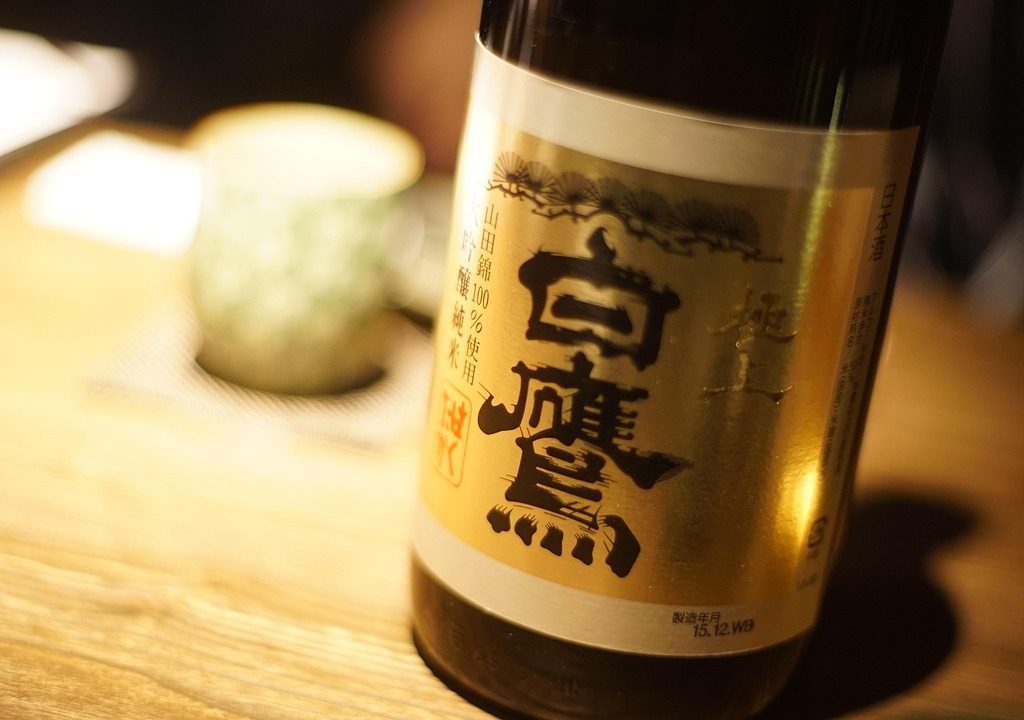
Koji is actually a strain of Aspergillus oryzae, a fungus used for so many culinary purposes. It can be used for the production of alcoholic beverages like sake or shōchū, or seasoning like miso, mirin and shōyu (soy sauce). Koji kickstarts the fermentation process when added to other base ingredients, like soybeans, rice, or wheat grains like barley. Basically, the enzymes present in koji transform starches and proteins into amino acids and sugars. The result? Well, only flavors that define the realm of umami: sweet, savory, salty, with an undertone of pleasing funk, according to the experts in Master Class Magazine.
Koji can also be used to make shoyu and miso which we’ve already written about – Miso – traditional Japanese seasoning – Fukuro Sushi & Sashimi Bar.
Five common uses of Koji
- Alcoholic beverages: Various koji strains (like white, yellow, and black koji) are used to impart distinct flavors while at the same time serving as the fermenting agent in brewed sake, distilled shōchū, and Okinawa-style awamori. It’s also the main ingredient in amazake, a naturally sweet beverage with a low alcohol content that can also be eaten as a delicious dessert (it reminds one of porridge).
- Cooking condiments: Rice vinegar and mirin, a sweet cooking wine, both result from the enzyme activity of Mirin combines koji with short-grain mochigome sweet rice and shōchū, while rice vinegar adds yeast to the converted sugars in koji rice, followed by acetic acid.
- Miso: Beautiful thick miso paste is the result of combining koji molds with cooked soybeans, salt, and water, allowing it to develop its pasty texture and umami flavor.
- Shio koji: Koji rice is combined with salt and water and left to ferment for a few weeks at room temperature to make koji The result is a crumbly paste with an unforgettable flavor that can be used as a salt substitute in a lot of dishes, from stir-fries to marinades.
- Shōyu (soy sauce): This Japanese-style soy sauce is made using the same technique as miso paste—applying koji mold to a soybean and salt mash and allowing fermentation to occur. But there’s one difference, the mixture is pressed and filtered to create a liquid byproduct.